

Description
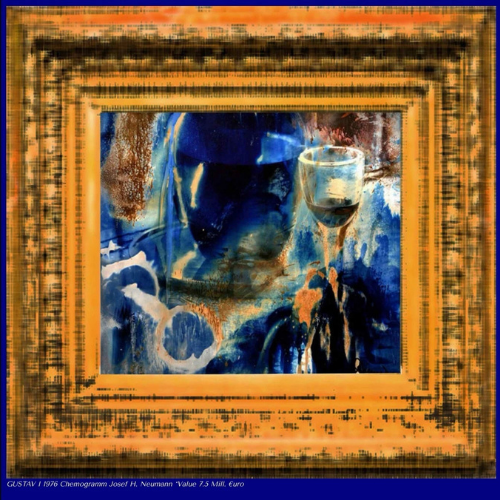
First Chemogram of the World (1976) – A Historic Milestone in Modern Art
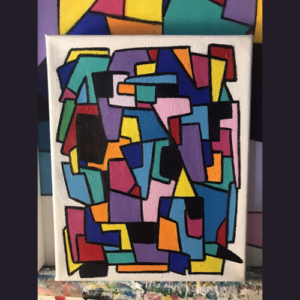
Presented here is an extraordinary and historically significant artwork: the First Chemogram of the World, created in 1976 by Josef H. Neumann, the internationally recognized German artist credited with inventing the Chemogram technique.
This unique work occupies a pivotal position in contemporary art history. By successfully combining photographic processes with painterly intervention, Neumann established an entirely new visual language that bridged two previously separate artistic disciplines. The result is a remarkable abstract composition that remains one of the most important innovations in post-war European art.
Rarely does a collector encounter an artwork that is not only visually compelling but also historically transformative.
What Is a Chemogram?
The Chemogram is a revolutionary artistic process invented by Josef H. Neumann during the 1970s. It combines photographic materials, chemical reactions, and direct artistic manipulation to create images that exist between photography and painting.
Unlike traditional photography, where the image is captured solely through a camera lens, Chemograms involve active intervention by the artist during the chemical development process. This creates one-of-a-kind visual effects that cannot be duplicated.
The First Chemogram stands as the foundation of this artistic movement and represents the beginning of an entirely new chapter in contemporary art.
Artistic Significance
This work is widely regarded as a landmark achievement in modern visual culture.
The artwork demonstrates:
- The fusion of photography and abstract painting
- Experimental use of photographic chemistry
- A pioneering mixed-media approach
- Historical innovation in contemporary art
- The creation of an entirely new artistic technique
As the earliest known Chemogram, this piece occupies a unique position in the evolution of modern and conceptual art.
Museum-Level Collectibility
Works that define artistic movements are among the most desirable acquisitions in the global art market.
This artwork appeals to:
- Museum Collections
- Contemporary Art Institutions
- Fine Art Investors
- Photography Collectors
- Modern Art Collectors
- Academic Collections
- Corporate Art Programs
- Private International Collections
Its significance extends beyond aesthetics, representing a documented milestone in twentieth-century art history.
Why This Artwork Matters
Many artworks are valuable because of who created them.
A select few are valuable because they changed the course of art itself.
The First Chemogram belongs to the latter category.
As the earliest example of a technique that continues to influence contemporary photographic and mixed-media practices, this work offers exceptional cultural, historical, and investment significance.
Key Features
✔ Original Historic Chemogram
✔ Created by Josef H. Neumann
✔ Dated 1976
✔ First Known Chemogram Artwork
✔ Museum-Quality Collectible
✔ Historic Fusion of Painting & Photography
✔ Unique Hand-Created Original
✔ Groundbreaking Mixed-Media Innovation
✔ Investment-Grade Fine Art
✔ Significant Contemporary Art Landmark
✔ Rare Collector Opportunity
✔ Suitable for Institutional Acquisition
Product Specifications
| Feature | Details |
|---|---|
| Artwork Title | First Chemogram of the World |
| Artist | Josef H. Neumann |
| Year | 1976 |
| Medium | Chemogram on Matt Paper |
| Category | Historic Contemporary Art |
| Style | Abstract Art |
| Technique | Chemogram |
| Subject | Experimental Abstract Composition |
| Authenticity | Original Artwork |
| Signature | Artist Signed |
| Country of Origin | Germany |
| Orientation | Landscape |
| Framing | Professionally Framed |
| Rarity | Unique One-of-a-Kind Original |
| Condition | Excellent |
Reviews
There are no reviews yet.